RV Electrical Safety in Florida: Why an EMS Pays for Itself
Florida campground pedestals are the worst in the country - frequent voltage spikes, miswired pedestals, and lightning surges that fry RV electrical systems. A hardwired EMS (Energy Management System)
Florida campground pedestals are the worst in the country - frequent voltage spikes, miswired pedestals, and lightning surges that fry RV electrical systems. A hardwired EMS (Energy Management System) costs $385-$685 installed and prevents thousands in damage. Here's why we install them on every rig that doesn't have one.
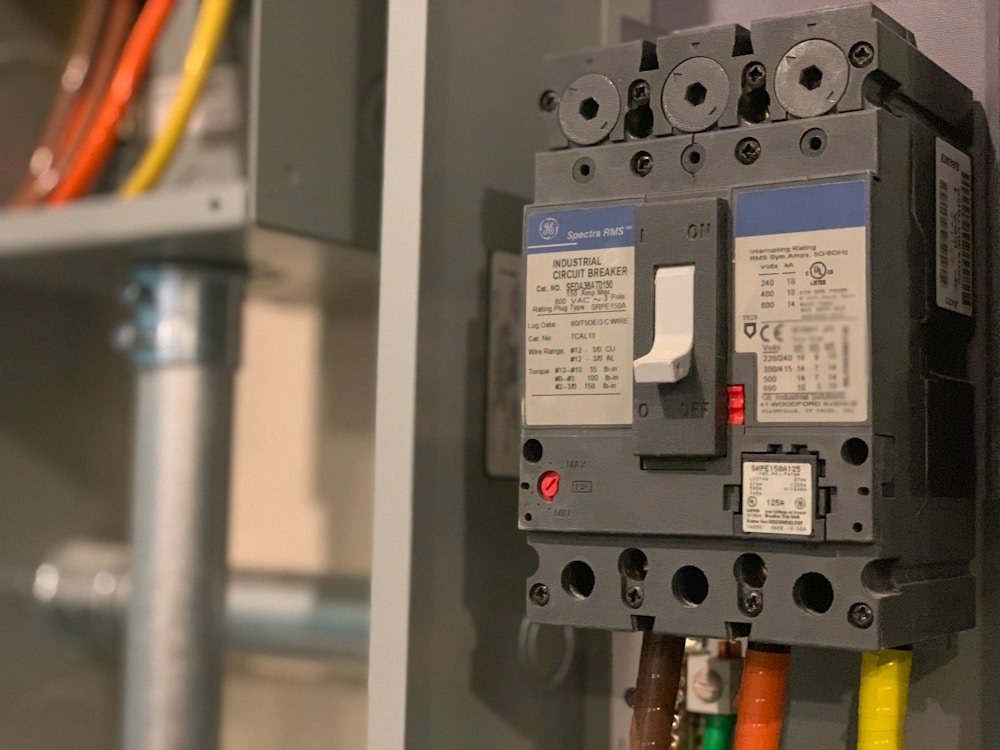
Florida campground pedestals are bad
I'll be straight with you - a lot of Florida campground pedestals are dangerous. Older parks, smaller parks, and parks that haven't been updated in 20+ years have wiring that wasn't done by an electrician (or was, decades ago, and hasn't been touched since).
What we see on diagnostics: voltage spikes from 80V to 140V (RVs are rated for 110-120V; both extremes damage equipment), miswired hot-and-neutral (will fry your converter and inverter), inadequate or missing ground (electrocution risk), and lightning surges that pass through the pedestal into your rig.
We replace probably 30-40 RV converters a year that were destroyed by bad pedestal power. Most of those rigs didn't have an EMS. The few that had one - the EMS tripped, protected the rig, and we replaced the EMS instead of the converter.
What an EMS actually does
An EMS (Energy Management System) is a smart device installed at the shore-power inlet that monitors incoming power and shuts off if anything's wrong. It checks: voltage (cuts off below 104V or above 132V), amperage (warns or cuts off at overload), polarity (detects miswired pedestal), ground (detects missing ground), and surge protection (absorbs lightning and other surges).
Progressive Industries HW50C and HW30C are the gold standard - hardwired into your panel, tamper-proof, and reliable. Hughes Autoformer is a step up - actually corrects low voltage instead of just cutting off. We install both, with Progressive being the most-recommended.
When something is wrong, the EMS shuts off shore power before it damages your rig. You see an error code on the panel display, you tell the campground, you move pedestals or pursue the issue. Without the EMS, you don't know there was a problem until your converter is dead.
Hardwired vs. portable EMS
Two options. Hardwired EMS: installed at the shore-power inlet, can't be stolen, protects the rig automatically, costs $385-$685 installed. Portable EMS: plugs in between the pedestal and your shore cord, can be moved between rigs, costs $250-$450 to buy yourself.
We recommend hardwired for one big reason: portable EMS units get stolen. Florida campgrounds, especially the busy ones, see portable EMS units walk off pedestals overnight. Hardwired stays inside the rig where nobody can grab it.
The other reason: hardwired EMS units engage automatically when you connect shore power. Portable units have to be plugged in correctly each time. Easy to forget. The hardwired unit doesn't care about your habits - it just works.
Florida lightning is the second reason
Florida averages more lightning strikes per square mile than any other US state. A nearby strike (within a quarter mile) can induce a current spike on the shore power line strong enough to fry every electronic device in your rig.
We see lightning damage every summer. Symptoms: dead converter, dead inverter, dead refrigerator control board, dead microwave, dead TV. Total damage often $3,500-$8,500. Insurance sometimes covers it, sometimes doesn't.
A hardwired EMS with surge protection (which is standard on Progressive HW units) absorbs that surge and shuts off the shore power. The EMS itself may need replacement after a major strike (about $385-$685), but everything downstream survives. Cheap insurance.
How to spot a bad pedestal
Some pedestals you can spot as bad before you plug in. Visual signs: rust on the connection, burn marks around the receptacle, a loose or wobbly receptacle, exposed wires, or a pedestal that's been clearly hit by a lawnmower.
Electrical signs (from a multimeter or your EMS display): voltage outside 110-128V at no load, large voltage drops when you connect, ground fault indicators on a tester (a $15 outlet tester from any hardware store catches a lot of this).
If the pedestal looks bad, ask the campground for a different site. Most are accommodating. If they're not and you've got an EMS, the EMS will protect you. If you don't have an EMS, walk away.
Other electrical safety habits
Beyond an EMS, three habits keep your electrical system safe. First, use a real shore-power cord and adapter set. Cheap eBay 30/50A adapters fry under load. Marinco, Camco, and Progressive Industries make reliable adapters.
Second, keep your shore-power cord ends clean and dielectric-greased. Salt-air corrosion increases resistance, which increases heat, which damages the cord. Annual cleaning takes 5 minutes.
Third, watch your amperage. A 30-amp service at full load is 3,600W. A 50-amp service is 12,000W. If you're tripping breakers, you're overloaded. AC is the big load - one rooftop AC pulls 13-15A. A second AC pulls another 13-15A. Add a microwave (12A) and you're maxing 30A service. Plan accordingly.
Cost vs. value of EMS install
Hardwired EMS install: $385-$685 with the unit and installation. Useful life: 10-15 years. Average loss prevented: one converter ($585-$985) and one major appliance failure ($385-$2,850) per 5 years.
Math: $500 installation, prevents at least $1,000 of damage in 5 years, lasts 10-15 years. Probably the best per-dollar safety upgrade you can make to a Florida-stored or Florida-traveled RV.
We install Progressive Industries HW50C as our standard recommendation. About 60-90 minutes at your site. Easy install, big benefit, and you forget it's there until the day it saves you. - Helena
Got questions about your rig? Text a photo to (844) 843-3766 - one of us will take a look and tell you straight. - Helena
Common Questions About This
Will an EMS work with a generator?
Yes - but generator power is usually clean, so the EMS doesn't trip much. It protects against the rare bad-generator scenario.
Do I need surge protection separately?
Most modern EMS units include surge protection. Older units may not. Check specs.
Can the EMS be reset if it trips?
Yes - some auto-reset, some require manual reset after a fault clears. Owner's manual will say.
Will an EMS slow my charging?
No - EMS just monitors and switches. No effect on power flow when everything's normal.
What if the EMS itself fails?
Replace it - $385-$685 with installation. The EMS protected your rig, and now it needs to be retired. - Helena
Keep Reading
Hand-picked services, cities, and articles connected to this post.